Rehabilitation for Injuries (Sprains, Fractures, Dislocations, tendonitis)
URGENT APPOINTMENTS:
If you require urgent physiotherapy treatment for a non-surgical injury, please contact JS Physio, and we will arrange an appointment as soon as possible.
If you suspect a serious injury, have severe pain or significant swelling, or are unable to put weight on the affected limb, seek appropriate medical assessment before starting physiotherapy.
What to expect in the initial appointment?
The first appointment will include both an assessment and a treatment session and will last approximately 60–70 minutes. The aim is to assess the injury, understand how it affects everyday activities, and develop a suitable physiotherapy treatment plan.
Assessment:
Will include:
- Visual assessment: Examining the injured area to identify swelling, bruising, or other visible changes.
- Physical examination: Gently checking the affected area for tenderness, discomfort, or soft tissue tightness.
- Range of movement: Assessing joint movement and flexibility where appropriate.
- Functional assessment: Understanding how the injury affects movement and daily activities.
- Goal setting: Discussing the client’s concerns and recovery goals.
- Treatment planning: Explaining the proposed treatment and expected approach to recovery.
Treatment:
Treatment for non-surgical injuries will be tailored to the type of injury, symptoms, and stage of healing. Treatment may include:
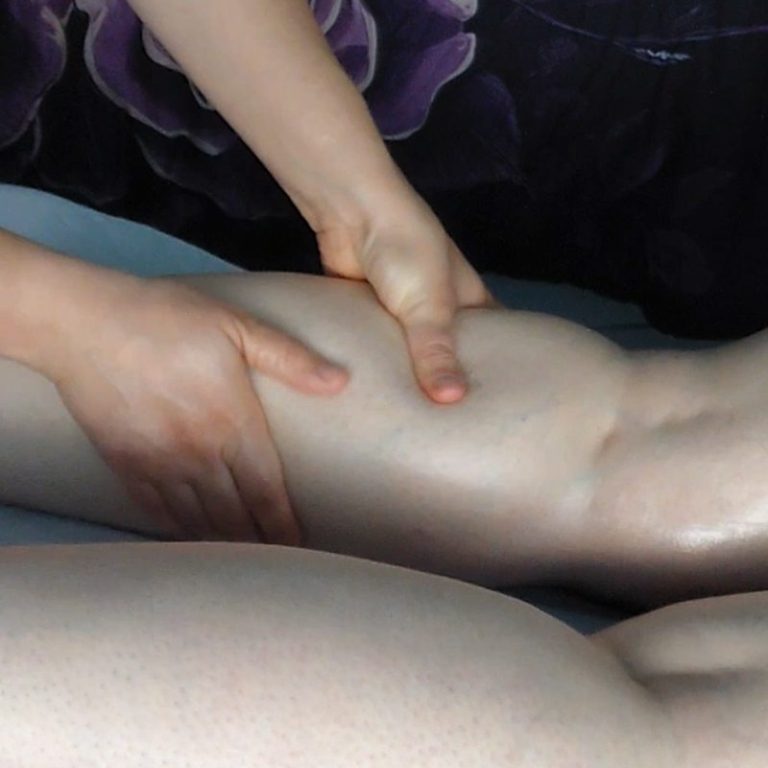
- Massage and hands-on treatment: To help relieve muscle tension and improve comfort.
- Stretching and mobilisation: To support flexibility and restore movement where appropriate.
- Scar management: Where a wound has healed and scar tissue is present, suitable techniques may help improve scar flexibility and reduce tightness or adhesions.
- Lymphatic drainage: Where appropriate, gentle techniques may be used to help manage swelling.
- Personalised exercises: Exercises to improve strength, flexibility, movement, and function.
- Advice and education: Guidance on managing symptoms, protecting the injured area, and gradually returning to normal activities.
Follow up appointments
Follow-up sessions will focus on continuing treatment and reviewing the client’s progress.
Appointments may include:
- Reviewing pain, swelling, and movement.
- Continuing hands-on treatment.
- Progressing exercises as the injury heals.
- Providing advice on activity levels and recovery.
- Adjusting the treatment plan according to progress and individual needs.