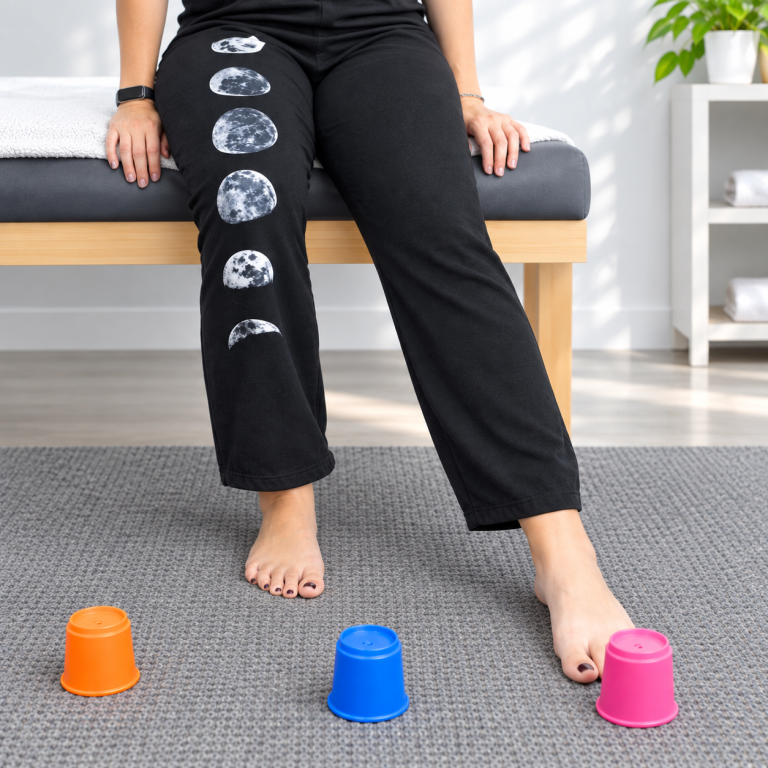
Physiotherapy treatment for Stroke
What to expect in the initial appointment?
The first appointment will last approximately 60–70 minutes and will involve a detailed assessment of the difficulties caused by the client’s stroke.
The aim is to understand how the stroke affects their movement, physical abilities, and everyday activities, and to develop a suitable physiotherapy treatment plan according to the client's goals.
The appointment will include:
- Physical assessment: Assessing muscle strength, muscle tone, joint movement, posture, and balance, where appropriate.
- Movement and mobility: Looking at how the client moves, changes position, sits, stands, or walks, depending on their abilities.
- Functional abilities: Identifying difficulties with everyday activities and how these affect the client’s independence.
- Stroke-related impairments: Assessing problems such as weakness, reduced movement, stiffness, poor balance, or coordination difficulties.
- Personal goals: Discussing the client’s priorities and what they would like to achieve through physiotherapy.
- Treatment planning: Explaining the proposed treatment plan and how physiotherapy may help improve or maintain their physical abilities.
The assessment will be tailored to the client’s individual needs and abilities. Where appropriate, family members or carers may also be involved to provide information and discuss any concerns.
Overall Aim
The aim of the initial assessment is to understand how the stroke has affected the client and identify the most appropriate physiotherapy treatment to support movement, improve functional abilities, maintain independence, and enhance quality of life.
Follow up appointments:
Subsequent appointments will usually last 50–60 minutes and will focus on neurological physiotherapy tailored to the client’s individual needs, abilities, and recovery goals following a stroke.
Treatment will take into account how the stroke has affected the client’s movement, muscle strength, balance, coordination, and ability to carry out everyday activities. The aim is to support recovery, maintain physical abilities, and improve independence and quality of life.
Treatment following a stroke may include:
- Massage and hands-on treatment: To help manage muscle tightness, improve comfort, and support movement.
- Stretching and joint mobilisation: To maintain flexibility, improve joint movement, and help reduce stiffness following a stroke.
- Movement exercises: To encourage movement, improve muscle strength, and support the recovery of physical abilities affected by the stroke.
- Balance and coordination exercises: To improve stability, posture, and control during everyday activities.
- Functional activities: Practising movements such as sitting, standing, walking, and transferring, depending on the client’s abilities.
- Sensory stimulation: Using suitable techniques to encourage awareness of the affected side of the body and support engagement in movement and daily activities.
- Personalised exercises: Providing a tailored list of exercises and activities to practise between appointments to support ongoing stroke rehabilitation.
Treatment will be adapted according to the client’s abilities, comfort, and progress. The physiotherapy approach will focus on addressing the difficulties caused by the stroke and helping the client regain or maintain as much function as possible.
Advice and guidance will also be provided to family members, carers, or caregivers where needed. This may include advice on safe movement, positioning, handling, and ways to support the client’s rehabilitation between physiotherapy sessions.
Positioning and Wheelchair Support
As part of a holistic approach to stroke rehabilitation, the client’s positioning in bed or in a wheelchair can be assessed where required. Following a stroke, difficulties with movement, muscle weakness, or changes in muscle tone may affect posture, comfort, and the ability to maintain a suitable position.
The assessment may include:
- Posture and positioning: Checking body alignment and identifying any difficulties with sitting or lying comfortably.
- Comfort and support: Assessing whether the client is adequately supported in bed or in their wheelchair.
- Affected side support: Considering the positioning and support of the affected arm or leg where appropriate.
- Seating and stability: Identifying any issues that may affect posture, balance, or comfort.
- Advice and recommendations: Providing guidance on suitable positioning to support comfort and safety.
- Wheelchair referrals: Helping with a referral to Wheelchair Services if further wheelchair or specialist seating support is required.
Overall Aim
The aim of neurological physiotherapy following a stroke is to support recovery, maintain or improve movement, manage stiffness, and promote greater independence.
- Treatment will be tailored to the client’s individual needs and stroke-related difficulties, with a focus on:
- Improving or maintaining mobility and physical abilities.
- Supporting balance, posture, and coordination.
- Encouraging recovery of movement where possible.
- Improving comfort and supporting safe positioning.
- Promoting participation in everyday activities.
- Helping the client achieve meaningful rehabilitation goals and maintain the best possible quality of life.
Progress will be reviewed regularly, and treatment will be adjusted as needed to ensure that physiotherapy continues to meet the client’s needs.